You might think that Mobile World Congress 2026 (MWC26) would have been all about AI. It’s certainly true that AI underpinned much of the event’s content, but what was discussed and exhibited varied a great deal – and that variety is worth discussing.
For example, this may have been the year when satellite connectivity and Non-Terrestrial Networks (NTN) moved from side issues to core architectural considerations.
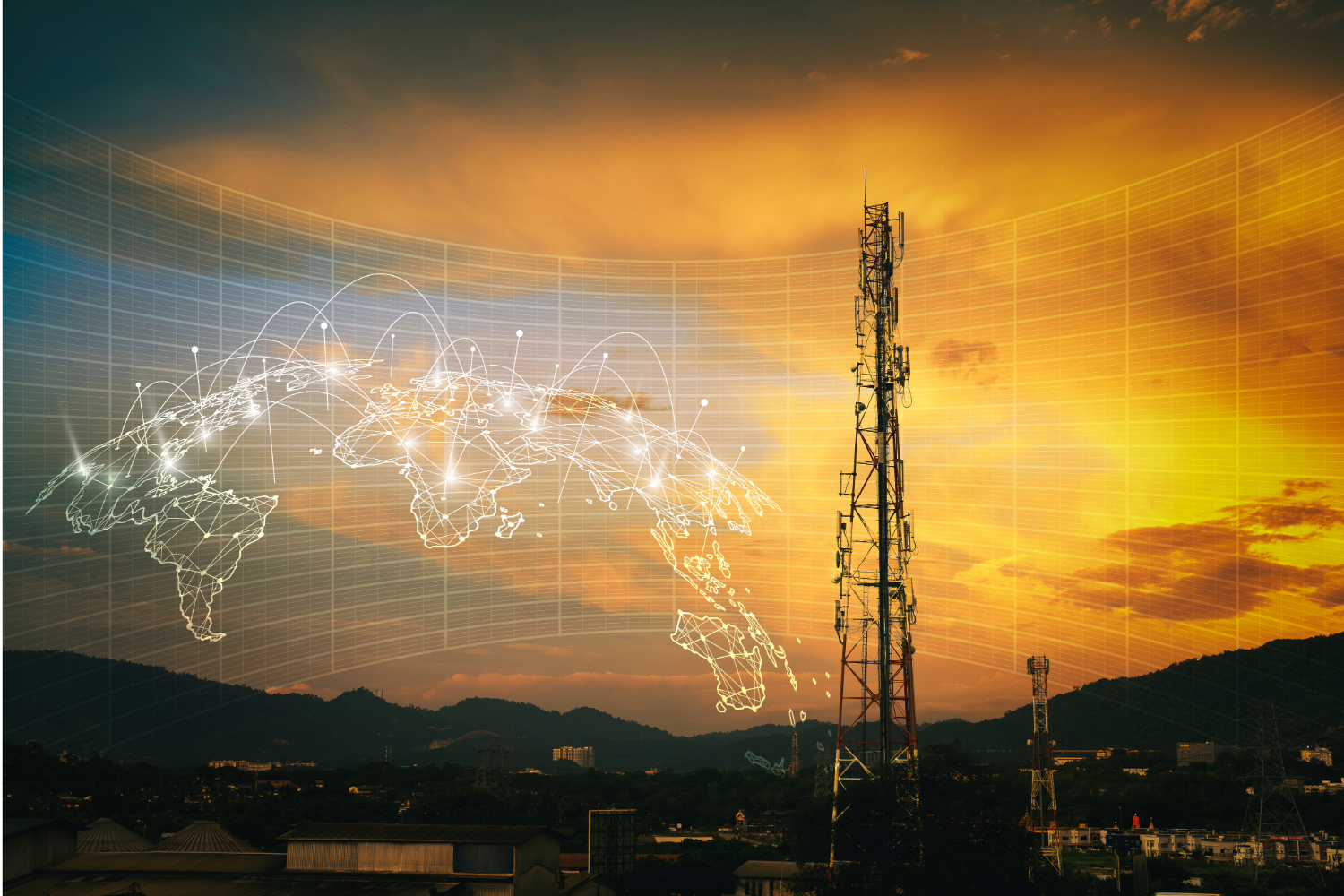
Low Earth orbit (LEO) satellite constellations are today more affordable to make and launch than ever before, implying the real, imminent possibility of reliable, satellite-supplied voice and data connectivity on ordinary handsets.
There will still be tricky issues around markets – industry? Government? Ordinary users? Affordability – poorer, unconnected regions may need it, but can they afford it? And competition – will Starlink dominate? We may also need to see what WRC-27 offers in spectrum terms.
But the potential can’t be debated. Companies like AST Space Mobile, Lynk Global, Space42, Viasat, Starlink and others are already positioning themselves for business opportunities.
Indeed, some of them were at MWC26, announcing agreements with operators or regulatory authorities and reminding us that terrestrial and non-terrestrial networks are beginning to converge and that LEO constellations and direct-to-device (D2D) links are finally poised to complement – or even replace – conventional fixed and mobile broadband.
Of course, this activity spills over into another big MWC topic: resilience. Digital infrastructure, mobile systems and national security are increasingly interconnected – and thus under threat. Satellite communications may be part of a wider strategy that must embed resilience into infrastructure, regulation and innovation.
This also applies to networks for public safety, energy, transport and finance, where failure is clearly not an option. TETRA and other legacy critical communications technologies are gradually drawing to a close. Operators and governments everywhere are planning the migration from legacy technologies to next generation mission-critical networks. Resilience will be integral to the solutions. Sovereignty is a related issue for many operators and governments. The growth of data use and storage, not least thanks to AI, is increasingly bringing with it demands for secure, localised telecom and cloud infrastructure.
As one of the MWC keynote summaries put it: “With rising geopolitical risk and intensifying technological rivalry, the ability to control, govern and secure essential capabilities has never been more important.” Strategic technology sovereignty is among those capabilities. It’s also undoubtedly a business opportunity for cloud and data centre specialists.
Overall then, MWC26 was a reminder that we’ve come a long way from handsets and cellular networks. Mobile communications today is just one part of a very interconnected, converging communications world, taking in satcoms, AI, data centres and much more, a convergence that will increase as 6G is more clearly defined in the coming years.
A glance at the MWC speakers’ programme indicated no shortage of opinions on these topics, while a tour of the exhibition uncovered any number of stands where the perceived promise of AI, satcoms, 5G and towards 6G propositions, the cloud and more were being adapted to a product or service push for the next generation of systems.
This, occasionally undignified, scramble for commercial advantage is no surprise at MWC. But there are also a number of initiatives underway that aim to serve more noble purposes.
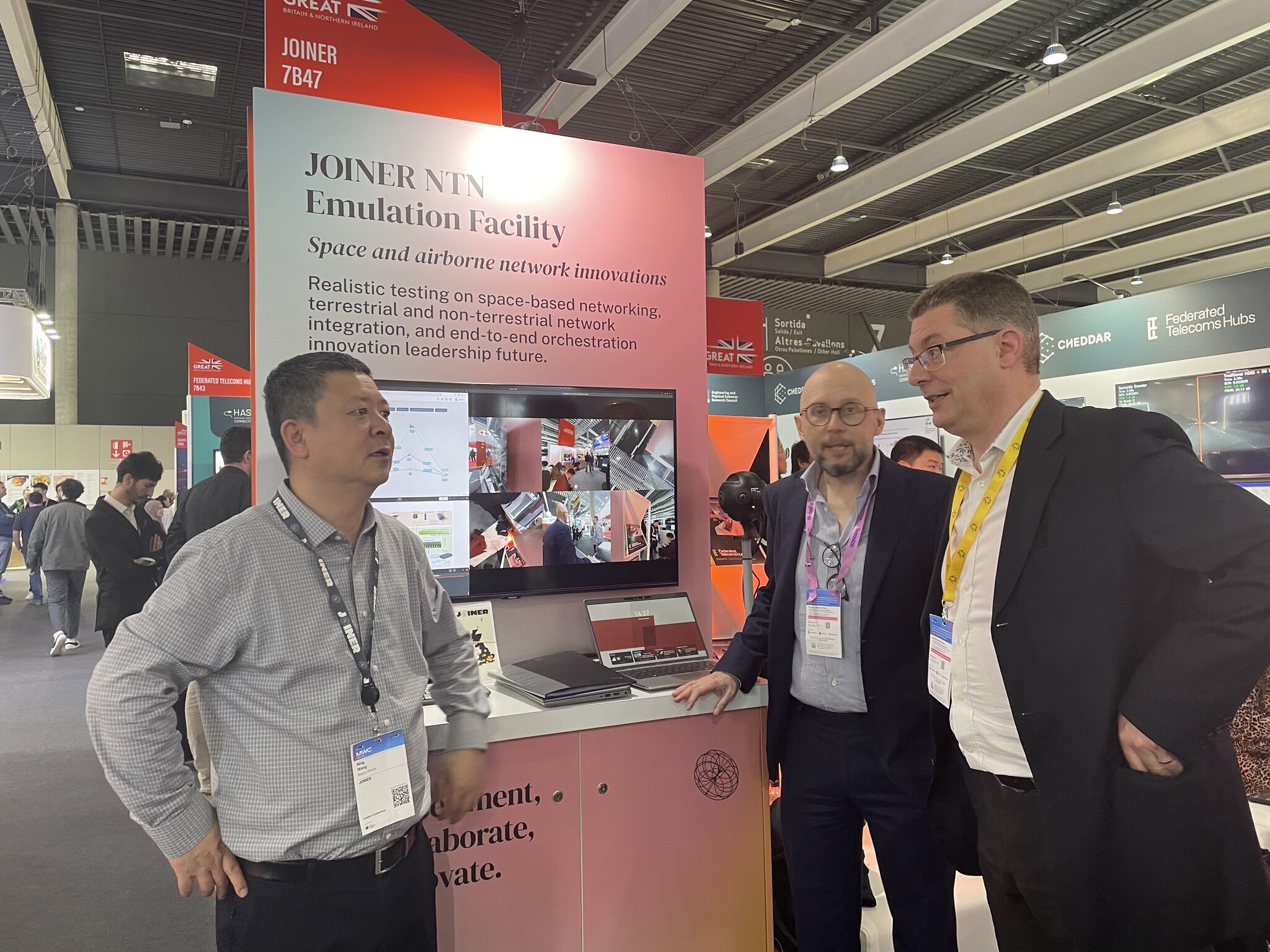
For example, Real Wireless is already working with groups focused on collaboration for a better future. One of these (exhibiting at MWC26) is JOINER (Joint Open Infrastructure for Networks Research), an international experimentation platform created to accelerate future communications and networks research, exploitation and adoption.
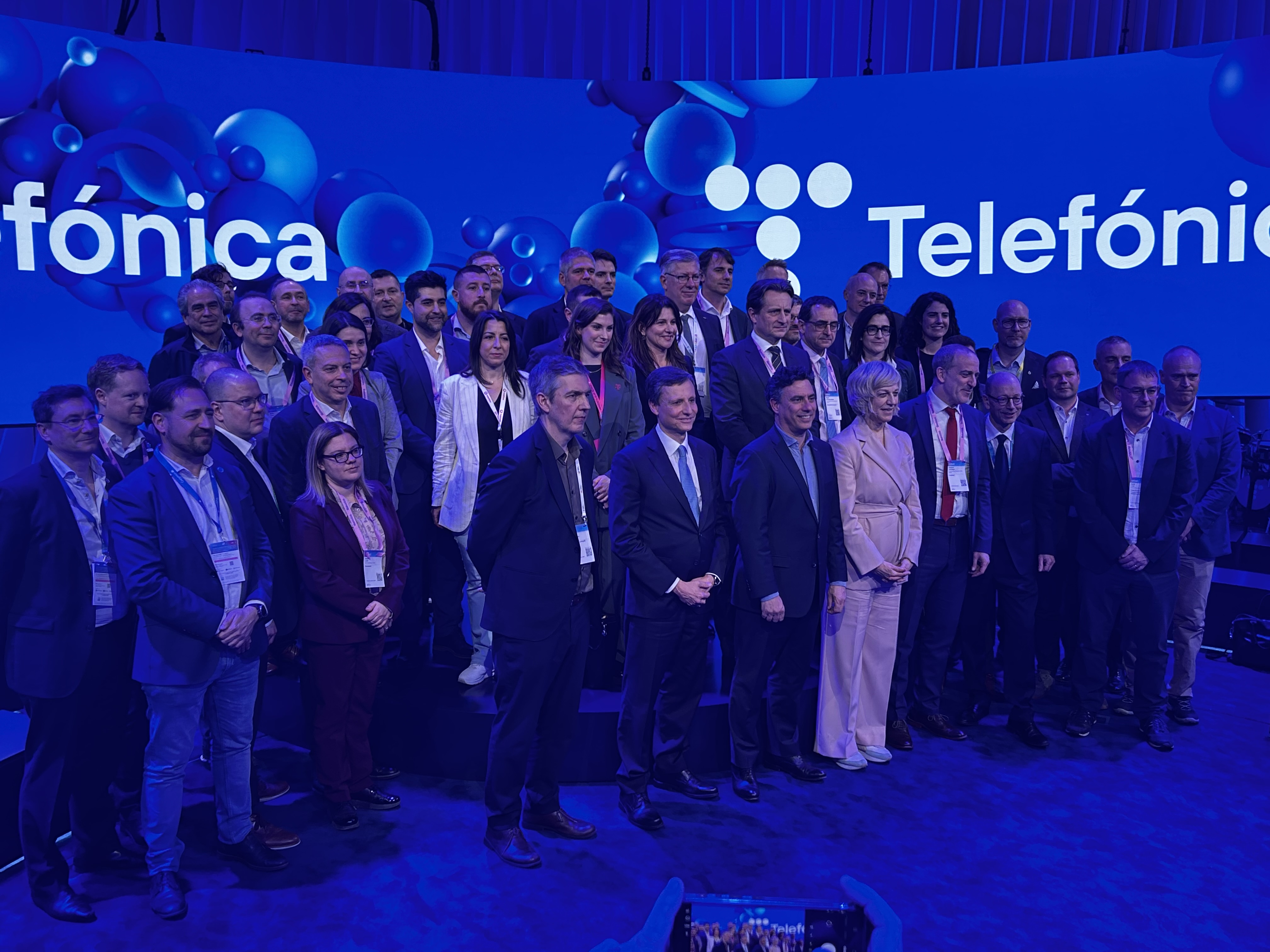
Also at MWC 2026, the European Commission and a consortium led by Telefónica announced EURO-3C: a €75 million Horizon Europe project to build the first pan-European federated Telco-Edge-Cloud infrastructure. Real Wireless is part of the consortium leading the commercialisation work items.
This sort of forward-thinking collaboration is a key part of our work. But we aim to remain untethered to specific companies or technologies throughout. We advise our customers on what can work best for them and how, even, or especially, as MWC underlines how complex, varied and yet interconnected the future of communications systems will be.
After all, it will always be necessary to understand and work within a diverse regulatory landscape. Efficient network planning will always be important – and even more so as demand grows and technology options expand. And the economics involved will always be a challenge – even more so as more players vie for attention and operator margins get tighter.
Regulation, planning and economic efficiency have long been core competencies for Real Wireless, and, while we keep abreast of technologies and trends – hence our presence at MWC26 – these remain unchanging realities in our fast-changing world.